November 24, 2026
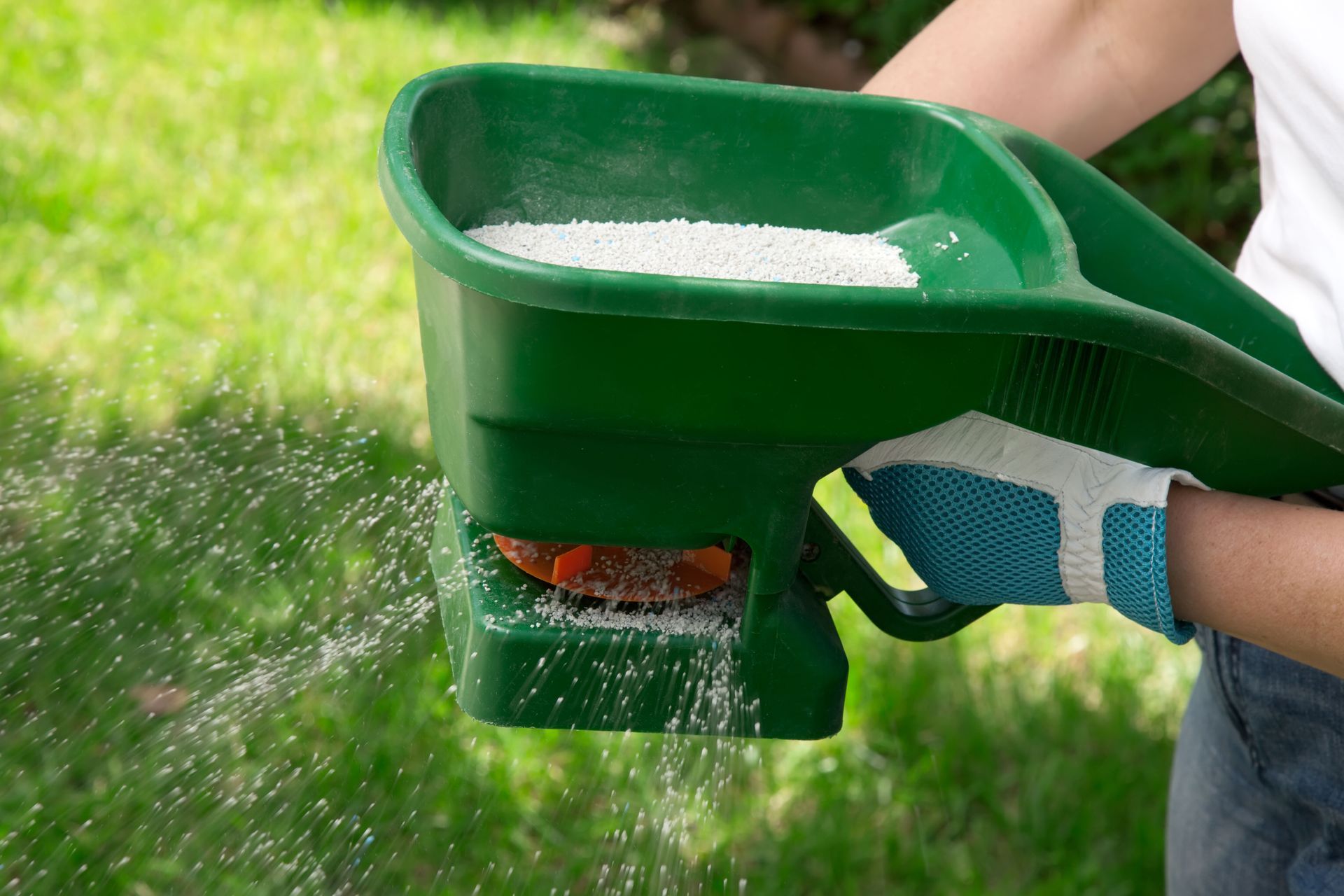
Your lawn is an essential part of your landscaping, but maintaining its lush, green appearance requires regular care and attention. Lawn fertilization is a pivotal component of lawn maintenance, supplying crucial nutrients like nitrogen, phosphorus, and potassium. Knowing when your lawn needs fertilization can be tricky, but recognizing the signs is key to maintaining a vibrant lawn. In this detailed guide, we’ll explore several indicators that your lawn might benefit from a nutrient boost. From discoloration to increased pest activity, these signals will help you become attuned to your lawn's specific nutrient needs.
1. Discoloration and Fading
Yellowing Grass Blades
Yellowing grass often serves as a primary indicator of nutrient deficiencies, primarily nitrogen. This vital nutrient supports chlorophyll production, the substance that gives grass its green hue. When nitrogen is scarce, chlorophyll production diminishes, resulting in a yellowish appearance. Other nutrients, such as iron and magnesium, can also affect color, but nitrogen's role is most significant. Solving this requires acknowledging and supplementing the lawn with appropriate nitrogen levels through fertilization.
Patchy Brown Spots
Patchy brown spots may appear when specific areas of the lawn aren't receiving adequate nutrients. Unlike uniform discoloration, these spots can arise due to variations in soil composition or water distribution. The uneven appearance suggests that certain sections are more nutrient-depleted than others. Addressing this issue involves applying a balanced fertilizer to ensure consistent nutrient availability. Root-level care will help restore these patches to a healthy state, counteracting their brown, lifeless appearance.
Loss of Vibrant Green Color
If your lawn has lost its vibrant green color, it suggests it might need additional nutrients to thrive. A loss of vibrancy is a subtle yet clear message from your grass that it lacks essential nutrients. It's not just about aesthetics—vigorous color is often a reflection of overall lawn health. Proper lawn fertilization helps each grass blade reach its full potential, ensuring your lawn appears lush and dynamic. Assessing soil nutrient levels and catering to deficiencies can revitalize its bright green allure.
2. Slow Growth Rate
Comparison with Neighbors' Lawns
Observing your lawn's growth in comparison to neighboring lawns can help indicate a need for additional nutrients. If your grass seems sluggish or sparse against the backdrop of lush neighbors' lawns, the issue could be nutrient deficiency. Fertilizers can jump start growth by replenishing the soil with missing nutrients. General slow growth often reflects insufficient nitrogen, a critical component for energy production in plants. Introducing fertilizers can align your lawn's health standards with those of your environment.
Sparse or Thin Grass Appearance
A sparse or thin appearance in your grass signifies its struggle to sustain optimal growth. When a lawn cannot develop densely packed grass, it often lacks the necessary nutrients to flourish robustly. Lawn fertilization can bolster growth by restoring nitrogen, phosphorus, and potassium to adequate levels. These nutrients support root development and foliage strength, promoting a thicker, healthier carpet of grass. A proactive approach to fertilization ensures that thin patches receive the nutrients they need to fill out.
Inability to Recover from Stress
Lawns that can't bounce back from stressors such as heavy foot traffic or drought might be signaling a nutrient shortage. Lawn fertilization aids recovery by supplying essential nutrients that support resilience against environmental pressures. A well-fertilized lawn can repair damage more efficiently, minimizing the impact of adverse conditions. According to HomeGuide, most lawns require four to six fertilizer treatments annually to maintain their vigor, depending on climate. Ensuring these treatments are met can foster a lawn capable of withstanding routine stress.
3. Weed Invasion
Presence of Broadleaf Weeds
The presence of broadleaf weeds is often an indicator that your lawn is struggling to compete for nutrients. Weeds thrive in environments where grass roots cannot access adequate resources. By fertilizing your lawn, you can help grass overcome weeds by enhancing its vigor and root strength. Broadleaf weeds are opportunistic, taking advantage of weakened lawns. Regular lawn fertilization not only maintains nutrient availability but also establishes a competitive edge for grass against intruders.
Increase in Crabgrass or Other Grasses
Crabgrass and other invasive grass types can flourish when undernourished conditions prevail. These grasses target weakened lawns, capitalizing on deficient root systems and nutrient imbalances. Applying regular, balanced fertilization creates a nutritious environment in which specialized grass has the upper hand. As your lawn's health improves, it's less susceptible to invasions from undesirable grass types. Comprehensive lawn fertilization strategies enhance your yard's defense mechanisms, promoting desired species over intractable weeds.
Consistent Weed Breakthrough Despite Treatments
If weeds continue to resurface despite treatments, your lawn might be missing the crucial competitive edge that comes from nutrient fulfillment. Fertilization helps build dense grass that covers the soil, blocking weed growth. Comprehensive soil nourishment prevents even persistent weeds from establishing a presence. Without proper nutrient support, attempts at controlling weeds might not last long-term. Prioritizing fertilization can help break this cycle by fortifying your lawn's density and suppressing unwanted growth.
4. Soil Testing Results
Low Nitrogen Levels
Soil testing can reveal nitrogen scarcity, an unmistakable sign your lawn needs fertilization. Nitrogen is imperative for shoot growth and green pigment production, and its deficiency is detrimental to lawn health. When a soil test indicates low nitrogen, immediate lawn fertilization actions should follow to replenish the element. By using appropriate fertilizers, you can reinvigorate growth and color. Routine soil testing provides a proactive measure, offering detailed insights for fostering optimal lawn conditions.
Phosphorus and Potassium Deficiencies
Besides nitrogen, soil testing might reveal deficiencies in phosphorus and potassium, both crucial for turf health. Phosphorus supports root development while potassium fortifies cellular functions and disease resistance. Insufficient levels hinder grass resilience and limit its establishment. Lawn fertilization with products targeting these deficiencies can restore balance, encouraging healthy growth. Consistent monitoring and addressing deficiencies with precision fertilization lead to a thriving, well-balanced lawn ecosystem.
Imbalanced Soil pH
Soil pH imbalances can severely impact nutrient availability, affecting overall lawn health. Acidic or alkaline soils might lock or release nutrients at non-optimal rates. Correcting pH levels ensures nutrients from fertilizers are accessible for grass uptake. Lime or sulfur treatments, based on soil tests, can steer pH toward balanced conditions, enhancing nutrient efficacy. Regular pH assessments guide the fertilization strategy, ensuring resource availability aligns with lawn needs.
5. Increased Pest Activity
Grub Infestations
An increase in grub infestations often indicates underlying lawn stress, potentially tied to insufficient nutrition. Grubs thrive at the expense of a lawn's grassroots, leading to visible turf damage. Applying a nutrient-rich fertilizer can help build robust roots less susceptible to grub activity. Vigorous grass growth impedes grub establishment, reducing their impact on lawn vitality. Fertilization fortifies your lawn, ensuring it stays ahead of pests looking to exploit weaknesses.
Presence of Fungal Diseases
Fungal diseases may become more prevalent in nutrient-deficient lawns. These diseases take advantage of weakened grass unable to mount effective defenses. Fertilization strengthens the lawn's resistance, reducing susceptibility to fungal threats. Addressing nutrient shortages through tailored fertilizer applications creates conditions unfavorable for fungi. Monitoring and adjusting your lawn fertilization regimen can thwart fungal issues, promoting a healthier and more resilient lawn.
Insect Damage
Insect damage becomes more pronounced in lawns lacking adequate nutrition. Fertilization bolsters the lawn's ability to recover from insect attacks, minimizing visible impact. Vigorous growth supported by sufficient nutrients creates less hospitable conditions for pests. By maintaining a regular lawn fertilization program, you can help prevent damage before it becomes problematic. A well-nourished lawn can better protect itself, deterring insects from inflicting lasting harm.
Maintaining a healthy lawn requires timely and appropriate lawn fertilization based on the signs discussed. Recognizing these indicators can help ensure your lawn receives the nutrients needed to thrive. By monitoring changes in your lawn's appearance and growth, conducting regular soil tests, and observing any signs of distress, you can implement a fertilization plan that keeps your lawn lush and resilient throughout the seasons. Consistent attention to nutrient status not only enhances visual appeal but safeguards against pests and environmental stressors, supporting sustained lawn vitality and beauty.
Reach out to CMS Landscaping today to restore your lawn's health and increase your property's curb appeal.