June 18, 2026
Chinch Bugs and Drought Stress: A Double Threat to Your Lawn
Nothing is more frustrating than watching a healthy lawn suddenly develop irregular patches of brown, dead grass during the summer. While many homeowners assume drought is the only culprit, another common lawn pest may be contributing to the damage: chinch bugs. We are currently seeing high chinch bug activity in western Massachusetts and throughout the pioneer valley.
Understanding how chinch bugs damage turf and how drought conditions influence their populations can help homeowners identify problems early and protect their lawns from lasting injury.
What Are Chinch Bugs?
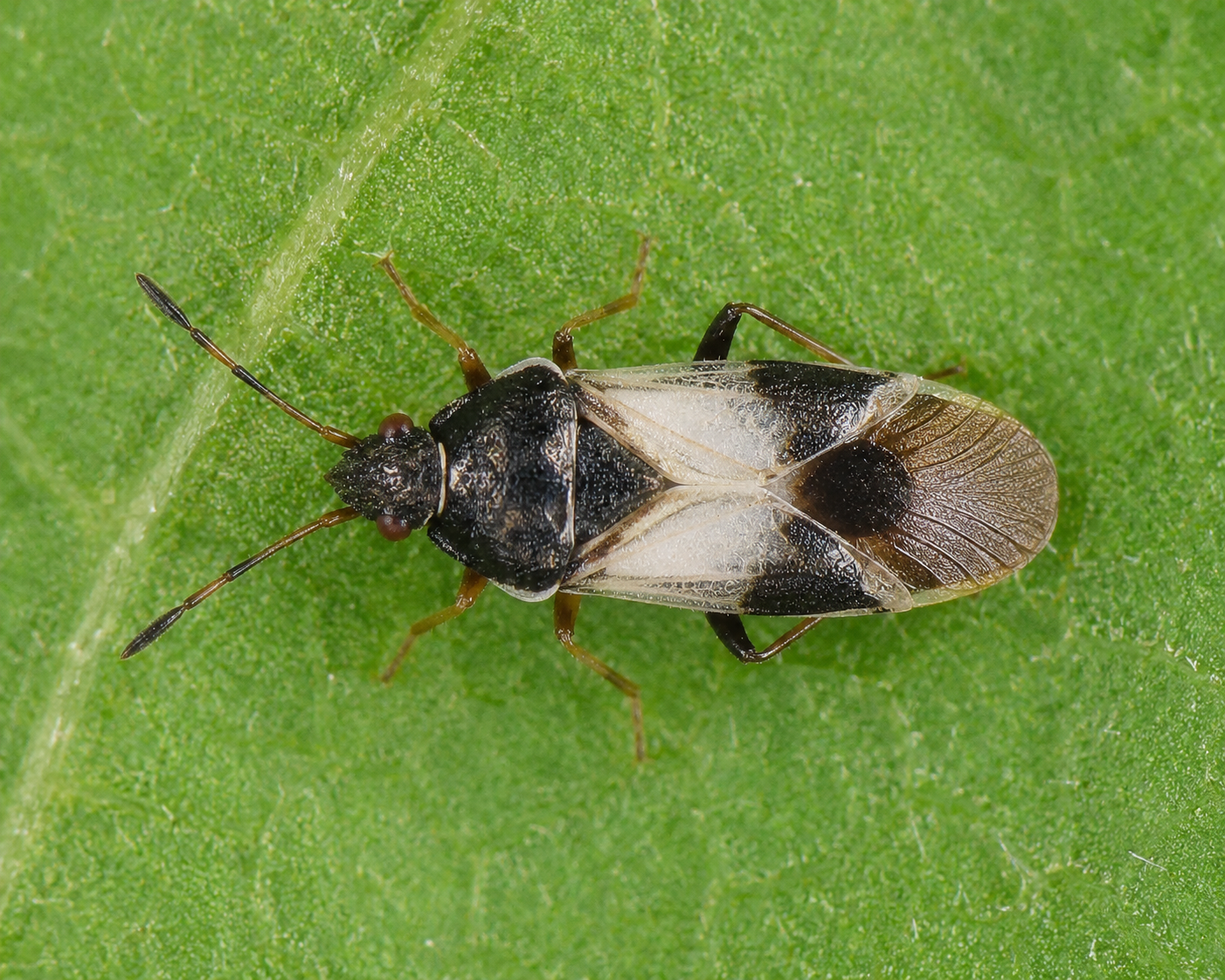
Chinch bugs are small insects that feed on turfgrass by piercing grass blades and stems and sucking out plant fluids. As they feed, they inject toxins into the plant that disrupt water movement and accelerate turf decline.
Adult chinch bugs are about 1/5 inch long, black with white wings folded across their backs. Immature chinch bugs, called nymphs, are smaller and often reddish-orange with a distinctive white stripe.
In Massachusetts and Connecticut, chinch bugs most commonly affect:
· Kentucky Bluegrass
· Fine Fescues
· Perennial Ryegrass (less frequently)
Lawns growing in full sun and sandy soils are particularly vulnerable.
What Does Chinch Bug Damage Look Like?
Chinch bug damage often appears as:
· Irregular yellowing patches that gradually turn brown
· Areas that resemble drought stress
· Turf that does not recover after watering
· Expanding dead patches during hot, dry weather
· Damage that begins in sunny locations such as along sidewalks, driveways, and south-facing slopes
One of the challenges with chinch bugs is that their damage closely mimics drought stress. Many homeowners increase watering, only to find the lawn continues to decline because the insects remain active.
Early Symptoms
· Grass appears wilted despite adequate moisture.
· Yellow patches begin forming in sunny areas.
· Turf loses its vibrant green color.
Advanced Symptoms
· Brown patches merge into larger areas.
· Grass becomes brittle and easily pulls apart.
· Entire sections of lawn may die if infestations are severe.
How Drought Affects Chinch Bug Populations
Hot, dry weather creates ideal conditions for chinch bug activity.
During periods of drought:
o Turf Is More Vulnerable
· Drought-stressed grass has fewer resources available to recover from feeding injury. The combined stress of heat, lack of moisture, and insect feeding can quickly overwhelm the plant.
o Natural Controls Decline
· Beneficial fungi and microorganisms that help suppress chinch bug populations thrive in moist conditions. Extended dry periods reduce these natural controls, allowing chinch bug populations to increase more rapidly.
o Faster Population Growth
· Warm temperatures accelerate chinch bug development. Multiple generations can occur during the growing season, causing populations to build quickly during prolonged heat waves.
o Damage Becomes More Severe
The toxins injected by chinch bugs further impair the turf's ability to move water through the plant. During drought conditions, this additional stress often results in larger dead patches and slower recovery.
Preventing Chinch Bug Problems
While no lawn is completely immune, proper lawn care can reduce the risk of serious infestations.
Water Properly
Deep, infrequent watering encourages deeper rooting and helps turf tolerate both drought and insect pressure.
Reduce Thatch
Excessive thatch provides ideal habitat for chinch bugs. Core aeration and proper lawn maintenance help minimize thatch buildup.
Maintain Healthy Turf
Balanced fertilization, proper mowing practices, and adequate soil health help lawns recover more effectively from pest activity.
Monitor During Hot Weather
Inspect susceptible areas during July and August when chinch bug activity is typically highest.
Professional Treatment Options
If chinch bug populations reach damaging levels, professional lawn care treatments may be necessary. Early detection is critical because significant damage can occur before symptoms become obvious.
Chinch bug control is standard in our 5 step program but if you are not a client give us a call and we can:
· Confirm whether chinch bugs are present
· Differentiate insect damage from drought stress or disease
· Recommend appropriate control measures
· Develop a recovery plan for damaged turf
Final Thoughts
Chinch bugs and drought often work together to create severe lawn damage. What appears to be simple drought stress may actually be an active insect infestation that requires treatment. By monitoring your lawn during hot, dry weather and addressing problems early, you can prevent small patches from becoming large areas of dead turf.
If your lawn has brown patches that aren't responding to watering, contact CMS Landscaping and Lawn Care for a professional evaluation. Identifying the true cause of the problem is the first step toward restoring a healthy, green lawn.