June 14, 2026
Helping Your Lawn Survive Summer Heat and Drought Stress

As temperatures climb and rainfall becomes less frequent, many homeowners notice their lawns changing color, thinning out, or even appearing dead in certain areas. While these symptoms can be alarming, they are often signs of heat and drought stress rather than permanent damage. Our technicians are reporting the onset of drought and heat related stress throughout our service area in the last week.
This summer is beginning with challenging conditions throughout Western Massachusetts, and many communities are also facing watering restrictions that limit when and how often irrigation can be used. Understanding how turfgrass responds to drought and taking a few simple maintenance steps can help protect your lawn until cooler weather and rainfall return.
What Does Drought Stress Look Like?
A drought-stressed lawn may exhibit several symptoms, including:
· Bluish-gray or dull green color
· Footprints that remain visible after walking across the lawn
· Wilted or folded grass blades
· Thin or brown patches
· Slower growth and reduced recovery from traffic
Many cool season grasses common in New England, such as Kentucky bluegrass, perennial ryegrass, and fescues, will naturally enter a dormant state during extended periods of heat and drought. Dormancy is a survival mechanism that allows the plant to conserve energy until conditions improve.
Understanding Watering Restrictions
We recognize that many homeowners are dealing with municipal watering restrictions. These regulations are important for preserving local water supplies during periods of high demand and limited rainfall. If restrictions allow irrigation, focus on watering deeply and infrequently rather than applying small amounts of water every day. Deep watering encourages roots to grow deeper into the soil, helping turf withstand future dry periods. When watering is not permitted, the goal shifts from maintaining a perfectly green lawn to helping the turf survive until natural rainfall returns.
Tips for Maintaining Your Lawn During Drought Conditions:
Raise Your Mowing Height
One of the most effective things you can do is mow higher. Taller grass blades provide shade to the soil surface, reduce moisture loss, and encourage deeper root development.
For most lawns, maintaining a mowing height between 3.5- and 4-inches during summer stress periods is recommended.
Avoid Over-Mowing
Never remove more than one-third of the grass blade during a single mowing. Cutting too much at once places additional stress on an already struggling lawn. You also want to avoid mowing in midafternoon when temperatures tend to be at their hottest.
Leave Grass Clippings
Grass clippings return valuable nutrients and organic matter to the soil while helping reduce moisture evaporation. (Do not leave clumps of grass)
Limit Traffic
Repeated foot traffic, pet activity, and equipment use can damage drought-stressed turf. Try to avoid unnecessary traffic on areas showing signs of stress.
Adjustment of Lawn Treatments
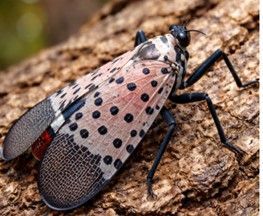
During severe drought conditions, some services may be altered until turf is actively growing again. We may reduce and change nutrients applied and add more soil amendments to the mix to optimize recovery once conditions become more favorable. It is still very important to get down preventative and active insect controls as the drought damage can hide other more serious pest conditions.
Be Patient
Brown does not always mean dead. Many lawns will recover remarkably well when temperatures moderate and rainfall becomes more consistent in late summer and early fall.
Looking Ahead
The good news is that fall remains the best time of year for lawn recovery in New England. Once temperatures cool and moisture levels improve, services such as aeration, overseeding, liming, and soil improvement applications can help restore density and vigor to drought-stressed turf.
At CMS Landscaping, we continue to monitor weather conditions, local watering restrictions, and turf health throughout the season. If you have questions about your lawn's condition or would like recommendations for helping it recover, our team is here to help.
Remember: the goal during drought conditions is not necessarily to keep your lawn perfect—it's to help it survive and come back stronger when favorable growing conditions return.